

Oberschwaben is considered a treasure trove of Baroque architecture – nowhere else are so many magnificent churches and impressive monasteries located within such close proximity. Particularly well known is the Upper Swabian Baroque Route, which leads to architectural masterpieces such as the basilica in Weingarten, Ochsenhausen Monastery and the pilgrimage church in Steinhausen.
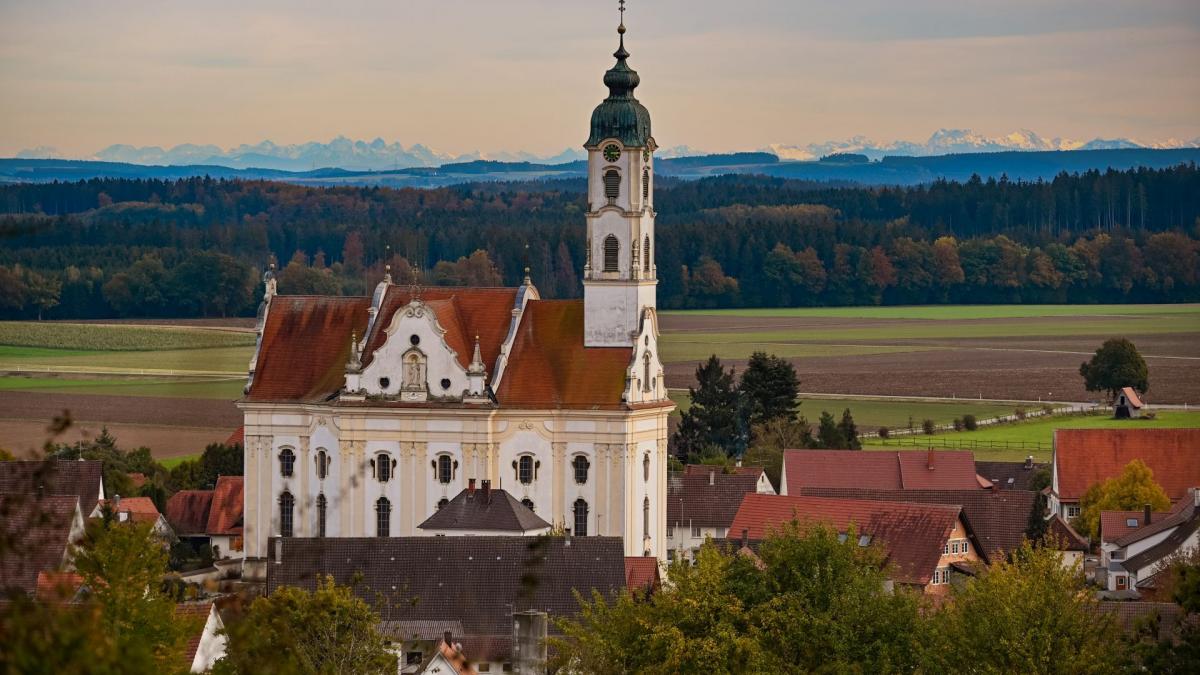
The pilgrimage church in Steinhausen is described as ‘the most beautiful village church in the world’. It is one of the main attractions on the Upper Swabian Baroque Route.
Sießen Monastery in Bad Saulgau, once renovated in the Baroque style and now inhabited by Franciscan nuns, is a popular place of tranquillity and sensory experience with its spiritual Franciscan Garden, complete with a labyrinth, sundial, herb garden and chapel.
Schussenried Monastery, once one of the most important imperial abbeys in southern Germany, impresses today with its Baroque splendour in the church and choir stalls, as well as the unique Rococo library hall, which delights visitors with guided tours and concerts as a cultural gem.
Inzigkofen Monastery combines late Gothic architecture, Baroque elements and spiritual tranquillity with a fascinating monastery museum and a romantic landscape garden, whose Devil's Bridge, Amalienfelsen rock and winding paths continue to captivate visitors to this day.
At the gateway to Upper Swabia, the former monastery town of Zwiefalten impresses visitors with its late Baroque cathedral, ‘Our Lady,’ whose magnificent frescoes, rich stucco work and Gothic image of grace continue to attract pilgrims and art lovers alike to this day.
The Beuron Archabbey, picturesquely situated in the Upper Danube Nature Park, impresses with its unique ‘Beuron style’ – a combination of neo-Romanesque and pre-Raphaelite art – and is also a lively monastery with its own shop and starting point for delightful hikes through the Danube Valley.
Salem Castle is one of the most beautiful and important cultural monuments in the Lake Constance region.
Oberschwaben has a lot to offer for active people and adrenaline junkies: nostalgic rides on the Öchslebahn railway, canoe trips on the Danube, fun at the Ravensburger Spieleland amusement park – and the ultimate skydiving thrill at Skydive.
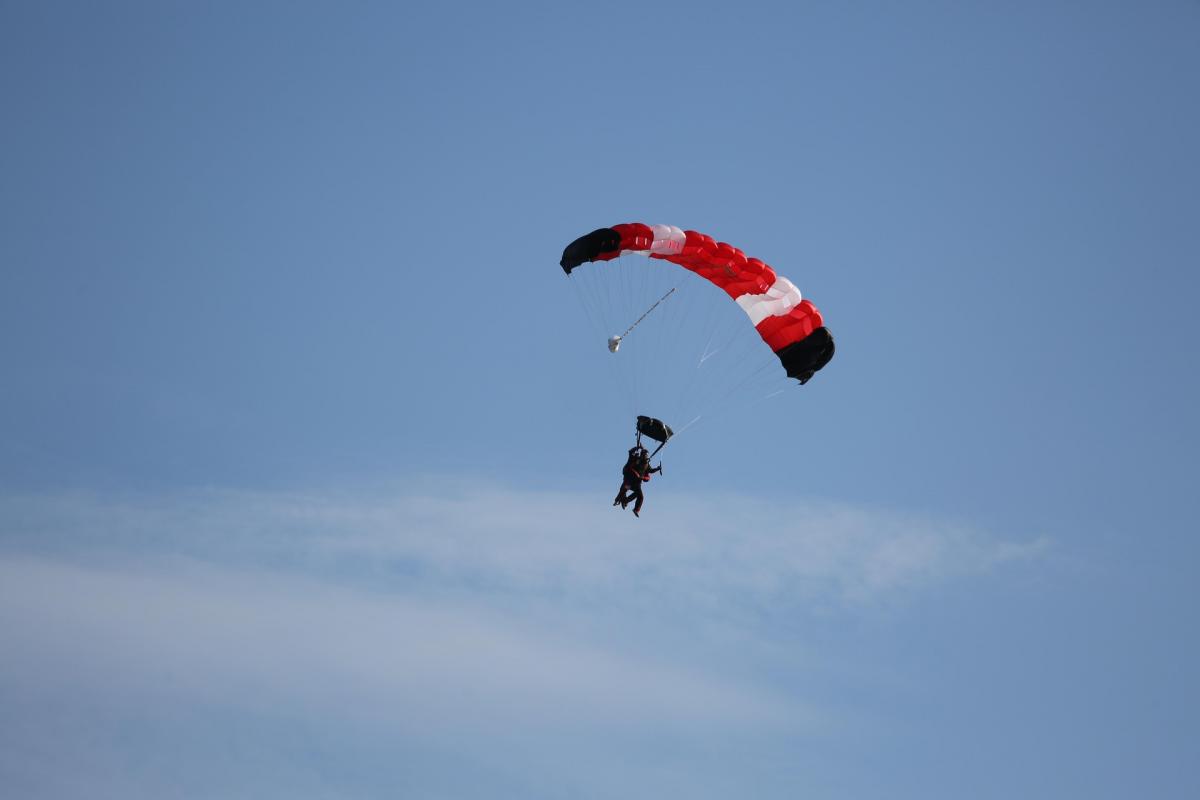
A tandem skydive in Bad Saulgau guarantees the ultimate adrenaline rush with 60 seconds of free fall from a height of 4,000 metres and speeds of up to 200 km/h – accompanied by experienced professionals for an unforgettable experience.
The 3D cinema experience directly opposite the hotel. Thursday is cinema day with reduced prices!
Experience something truly special – on Lake Constance! An extraordinary and successful event is guaranteed.
Ravensburger Spieleland, founded in 1998 with XXL versions of popular games such as Memory® and ‘Das verrückte Labyrinth’ (The Crazy Labyrinth), has been delighting families of all ages for over two decades with its unique interactive character and was named Germany's most family-friendly amusement park in 2018.
Since 1899, the nostalgic ‘Öchsle’ narrow-gauge railway, affectionately known as ‘Rosa’, has been chugging leisurely through the picturesque Upper Swabian countryside between Ochsenhausen and Warthausen – a popular destination for railway enthusiasts and nature lovers.
Every summer, the Bregenz Festival on Lake Constance delights audiences with magnificent opera productions on the spectacular lake stage for up to 7,000 spectators and also offers world premieres and symphony concerts at various venues.
The Sonnenhof-Therme, known for its particularly healing, sulphurous thermal water from a depth of 650 metres, offers a place of peace and relaxation with warm indoor and outdoor pools, massage jets, water gymnastics and a diverse sauna landscape.
Oberschwaben impresses with a variety of natural spectacles that delight visitors in every season. From the mighty Danube and the mysterious Aachtopf karst spring to colourful seas of flowers in spring, the region shows off its natural beauty in all its facets. Impressive sunsets over Lake Constance, tranquil moorlands and dense forests invite you to explore, relax and marvel.
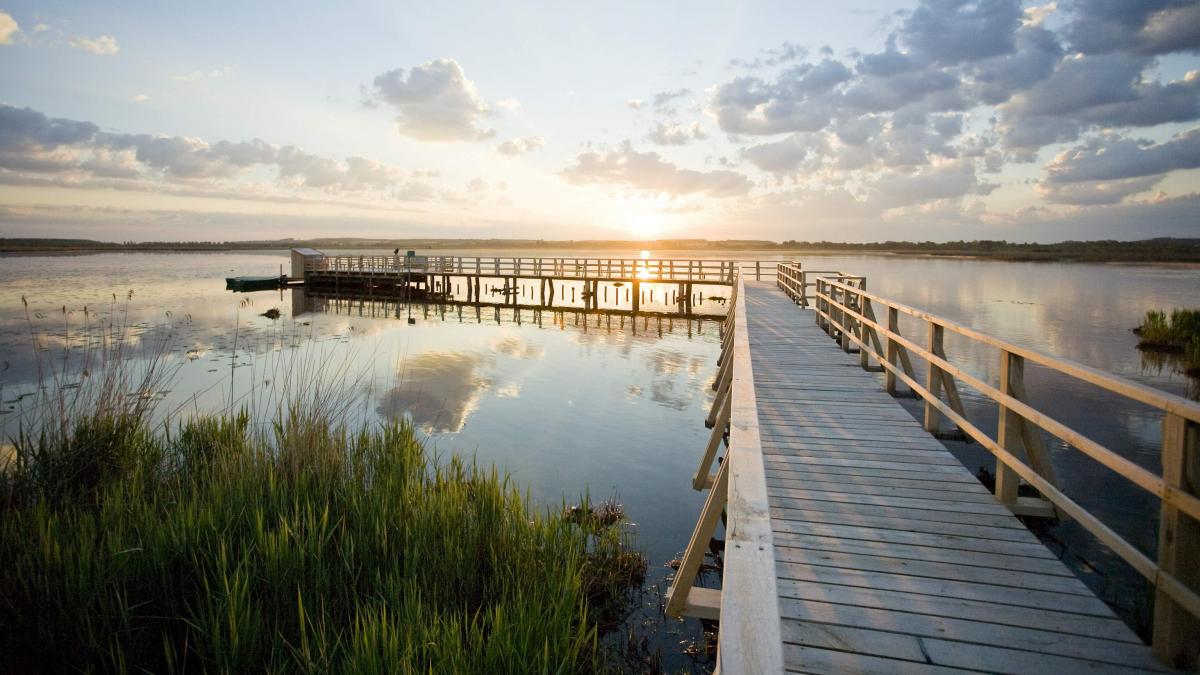
Federsee, Upper Swabia's second largest lake, is a hidden natural gem and UNESCO World Heritage Site. With its 1.5-kilometre-long footbridge through reeds, a valuable bird sanctuary with over 260 bird species, the fascinating Wackelwald forest and the archaeological Federsee Museum, visitors can immerse themselves in a unique moorland landscape.
At 767 metres, Bussen is Upper Swabia's highest peak and, as a ‘holy mountain’, is a popular place of pilgrimage with an alpine panorama, a millennia-old place of worship and the centre of major Whitsun pilgrimages.
The Wimsener Cave near Zwiefalten, Germany's only navigable water cave, is a fascinating natural monument in the Swabian Alb Geopark, which takes visitors on a mysteriously illuminated boat trip into the underground world.
The Blautopf in Blaubeuren, with its magically glowing spring water, the legend of the beautiful Lau, the neighbouring monastery and the Prehistoric Museum, is one of the most impressive natural and cultural sites in Upper Swabia.
Thanks to the mild climate of Lake Constance, Mainau Island delights visitors with its Mediterranean flora, an impressive arboretum, Germany's largest butterfly house and colourful seas of flowers all year round.
The towns of Upper Swabia combine history and charm: Sigmaringen with the Hohenzollern Castle, Ravensburg and Biberach with their half-timbered houses and flair, Weingarten with its baroque architecture, Ulm with the tallest church tower in the world – and Bad Waldsee with its old town and thermal baths.
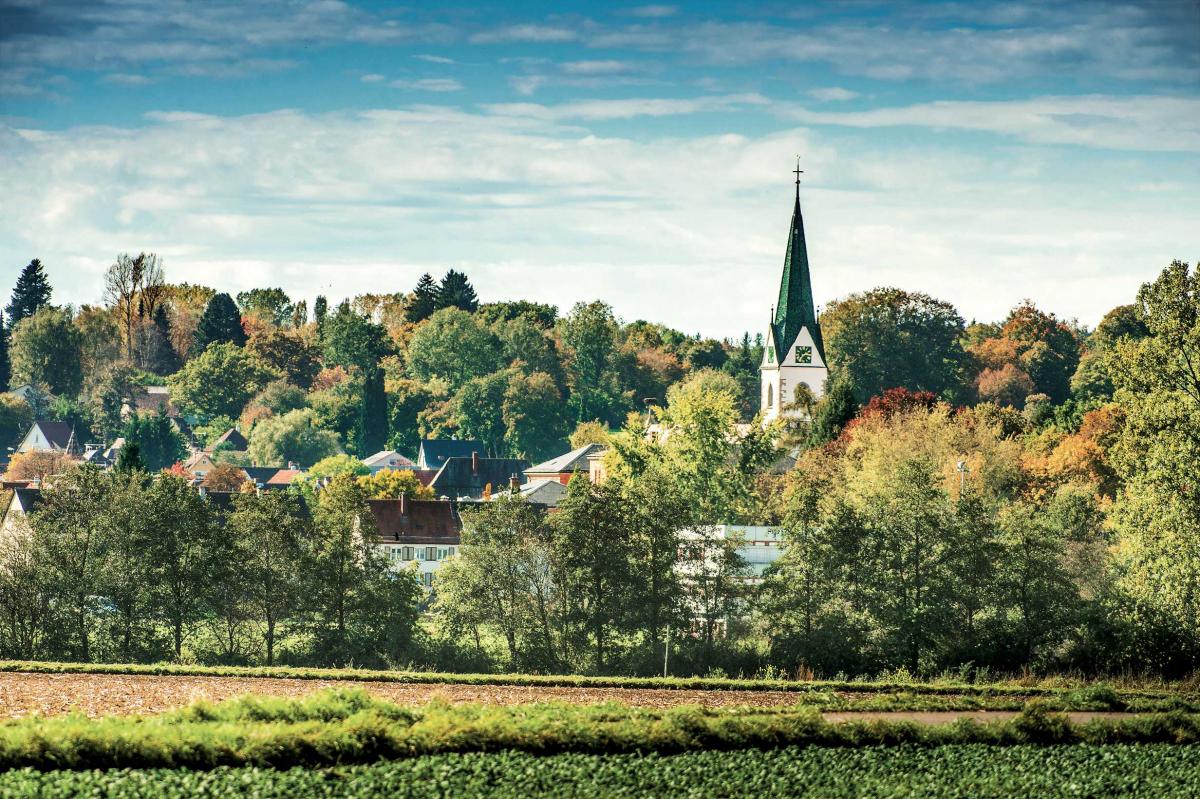
Ravensburg, with around 50,000 inhabitants, is the economic centre of Upper Swabia. Known as the ‘city of towers and gates’, it delights visitors with its lively Marienplatz square, charming streets full of boutiques and the popular weekly market, which transforms the city into a Mediterranean promenade on warm evenings.
Weingarten impresses with its lively city centre, a beautiful pedestrian zone full of shops and cafés, and a vibrant city life directly below the Martinsberg.
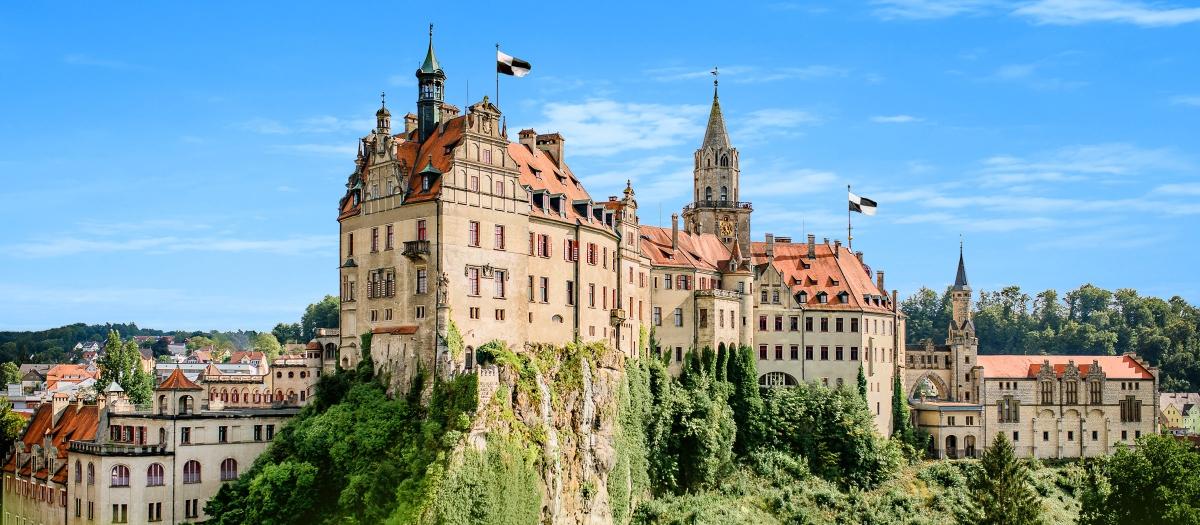
Sigmaringen, a charming princely residence town, attracts visitors with its cosy cafés on Rathausplatz, a magnificent castle, beautiful Danube parks, a Zündapp museum and numerous cycling and hiking routes in the Upper Danube Nature Park.
Biberach, the metropolis of northern Upper Swabia, captivates visitors with its large historic market square, old half-timbered houses, the old town hall from 1432 and a well-preserved city wall with towers.
Ulm not only impresses with its famous cathedral, but also with a lively cultural mile, diverse museums, theatres and events, as well as an attractive shopping city with flair and a university atmosphere.
Magnificent castles and fascinating museums: The Hohenzollern Castle in Sigmaringen impresses with its princely splendour, while Meersburg New Castle offers views of Lake Constance. Visitors can immerse themselves in the history of the region at the Wolfegg Farmhouse Museum or the Federsee Museum.
The Federseemuseum in Bad Buchau impressively shows how people lived around Lake Federsee in the Neolithic and Bronze Ages – with authentic pile dwellings in the open-air area and exciting archaeological finds.
Bachritterburg Castle in Kanzach is a faithfully reconstructed 13th-century wooden castle where visitors can experience medieval life up close – with knights, crafts and ‘living history’ for the whole family.
The Heuneburg near Hundersingen, the ‘Swabian Troy’, is a reconstructed Celtic princely settlement with defensive walls, gates and a manor house, impressively demonstrating the early advanced civilisation north of the Alps.
The Erwin Hymer Museum in Bad Waldsee takes visitors on a journey through 90 years of mobile travel – with over 80 historic caravans and motorhomes full of wanderlust, freedom and a thirst for adventure.
Sigmaringen Castle, residence of the Princes of Hohenzollern-Sigmaringen since 1535, impresses with its development from a medieval castle to a magnificent palace, a unique collection of weapons and museums with historic carriages and art treasures – a visit that is only worthwhile with a guided tour.
The Lake Dwelling Museum in Unteruhldingen brings early history to life and shows how fishermen, hunters and farmers lived on the lake shore between 4000 and 850 BC with reconstructed lake dwellings and modern multimedia exhibitions.
The ancestral seat of the Houses of Prussia and Hohenzollern, the ‘Swabian Neuschwanstein’ in the Swabian Alb, attracts around 400,000 visitors annually and delights with its neo-Gothic splendour, art collection, concerts, Christmas market and breathtaking views.
Poststraße 1
88348 Bad Saulgau
Telefon +49 7581 5010
Fax +49 7581 501-499
E-mail: hotel_at_kleberpost.de